
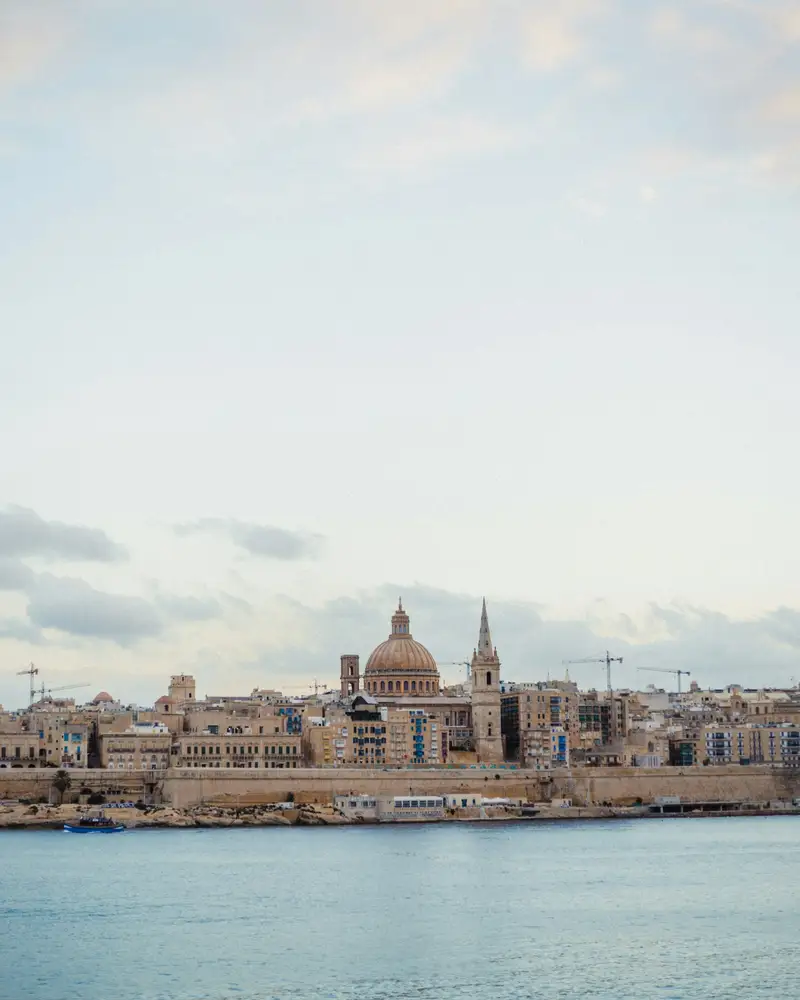
Malta
Study in Malta from India: a complete guide for 2027 intakes
An English-speaking EU country with part-time work rights and Schengen travel. Who Malta suits, how the student visa works, and what you can do while studying.
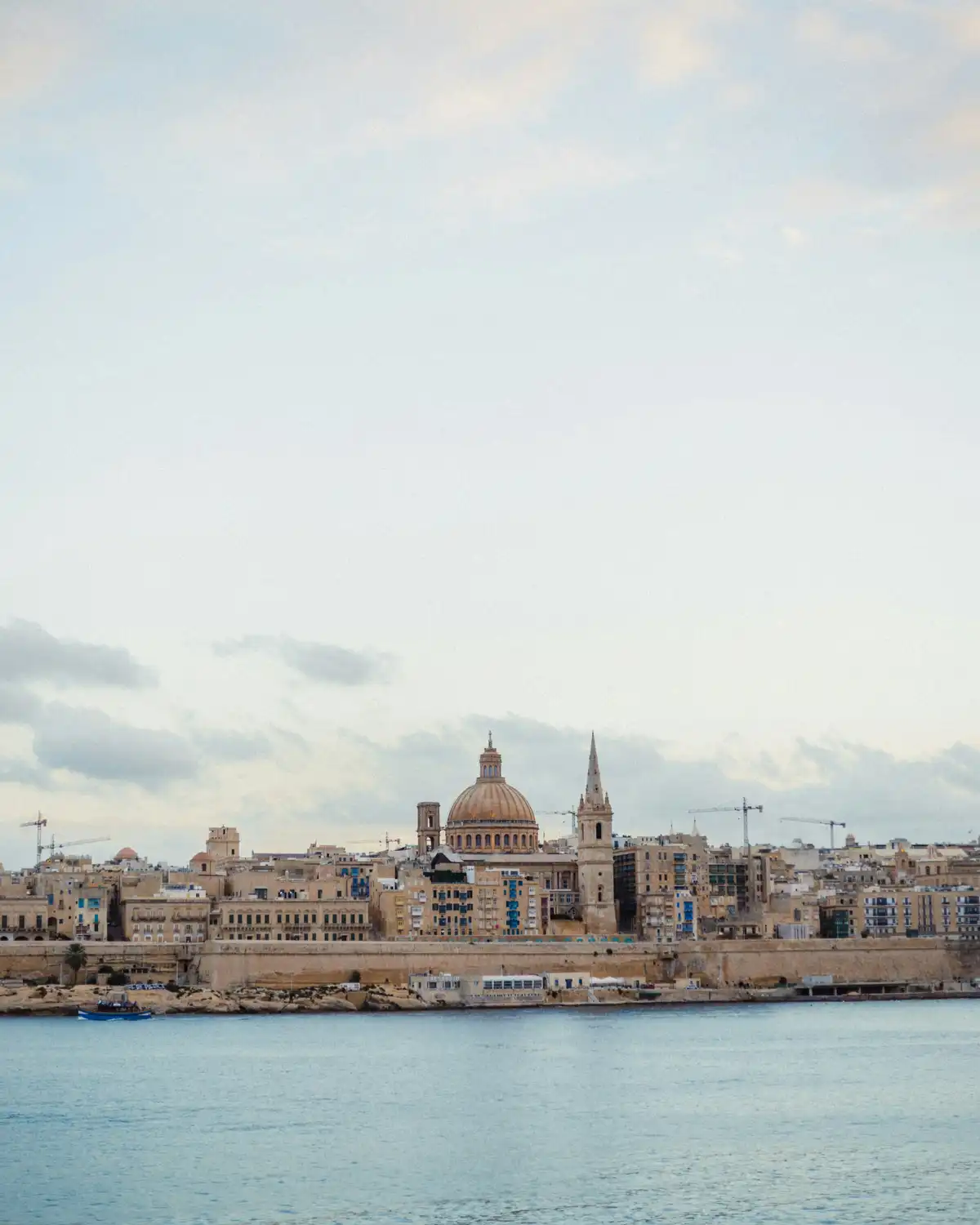
 National (D) student visa
An English-speaking EU country in the Mediterranean, with part-time work and Schengen travel.
Malta is a small island nation between Italy and North Africa. English is an official language, so studying, working and daily life are all in English. It has around 300 days of sunshine a year.
As an EU and Schengen member, Malta gives you a European degree and easy travel across Europe. Its growing economy includes tourism, iGaming, finance, healthcare and IT, all of which hire part-time students.
English everywhere. No new language needed for study or work.
European qualification. Degrees recognised across the EU.
Work while you study. Part-time jobs in hospitality, retail, care and IT.
Schengen travel. Visit other European countries during holidays.
Safe and relaxed. A small, friendly country with a Mediterranean lifestyle.
Simpler entry. Many courses accept moderate IELTS scores and Class 12 or graduate profiles.
A starting list. In your consultation we shortlist the ones that fit your marks, course and budget.
| Institution | City | Known for |
|---|---|---|
| University of Malta | City: Msida | Known for: Medicine, law, engineering, IT |
| Malta College of Arts, Science and Technology (MCAST) | City: Paola | Known for: Vocational and applied degrees |
| Institute of Tourism Studies (ITS) | City: Gozo and Malta | Known for: Hospitality and tourism |
| Global College Malta | City: Smart City | Known for: Business and management (UK-awarded degrees) |
| London School of Commerce Malta | City: Birkirkara | Known for: Business, hospitality, health |
| STC Higher Education | City: Pembroke | Known for: IT and business |
| American University of Malta | City: Cospicua | Known for: Engineering, business |
The UNESCO-listed capital, full of baroque streets and harbour views.
Crystal-clear water for swimming and boat trips.
The walled "Silent City" from medieval times.
Malta's quieter sister island, with cliffs and beaches.
Sea caves you can visit by boat.
Cafés, nightlife and a sea-front promenade.
What universities and the visa office ask for. We check your documents against each one before you apply.
Visa conditions, work rights and the routes to stay longer. Rules change often; we confirm the current rules for your case.
Official source:Identità MaltaLast checked 3 November 2026
The steps from India to Malta. We handle each one with you.
Malta
An English-speaking EU country with part-time work rights and Schengen travel. Who Malta suits, how the student visa works, and what you can do while studying.
Yes. Your residence permit lets you travel within Schengen.
Yes, up to 20 hours a week with a work permit.
Most courses need an English test. Some accept other proof of English.
Family rules for students are strict. We'll check your situation.
Yes, from accredited institutions.
A free first consultation: we review your profile, shortlist courses and universities, and estimate the costs in rupees.