
Germany
APS certificate for Germany: a step-by-step guide for Indian students
Every Indian student applying for a German student visa needs an APS certificate. Here's what it is, when to apply and how to avoid delays.
 National (D) student visa
Low or no tuition at public universities, strong engineering programmes and 18 months to find a job after graduating.
Germany is Europe's largest economy, home to global brands such as BMW, Siemens, SAP and Bosch. Indian students are now one of the largest international groups at German universities.
Cities are safe, public transport is excellent and the cost of studying at public universities is low. Learning some German makes daily life and part-time work much easier, even on an English-taught course.
Low or no tuition. Most public universities charge only a semester contribution.
Engineering and technology strength. Close links between universities and industry.
Work while you study. Up to 140 full days a year.
18 months to find a job. After graduating, with a route to the EU Blue Card.
Travel Europe. Your German residence permit lets you travel in the Schengen area.
Path to settle. Graduates working in skilled jobs can apply for a settlement permit.
A starting list. In your consultation we shortlist the ones that fit your marks, course and budget.
| Institution | City | Known for |
|---|---|---|
| Technical University of Munich (TUM) | City: Munich | Known for: Engineering, computer science |
| Ludwig Maximilian University (LMU) | City: Munich | Known for: Sciences, business, medicine |
| Heidelberg University | City: Heidelberg | Known for: Medicine, life sciences |
| RWTH Aachen University | City: Aachen | Known for: Mechanical and automotive engineering |
| Karlsruhe Institute of Technology (KIT) | City: Karlsruhe | Known for: Engineering, physics |
| Technical University of Berlin | City: Berlin | Known for: Engineering, computer science |
| Humboldt University of Berlin | City: Berlin | Known for: Humanities, social sciences |
| TU Dresden | City: Dresden | Known for: Electrical engineering, microelectronics |
| University of Freiburg | City: Freiburg | Known for: Environmental sciences, medicine |
| IU International University (private) | City: Several cities | Known for: English-taught business and IT |
The fairytale castle in the Bavarian Alps.
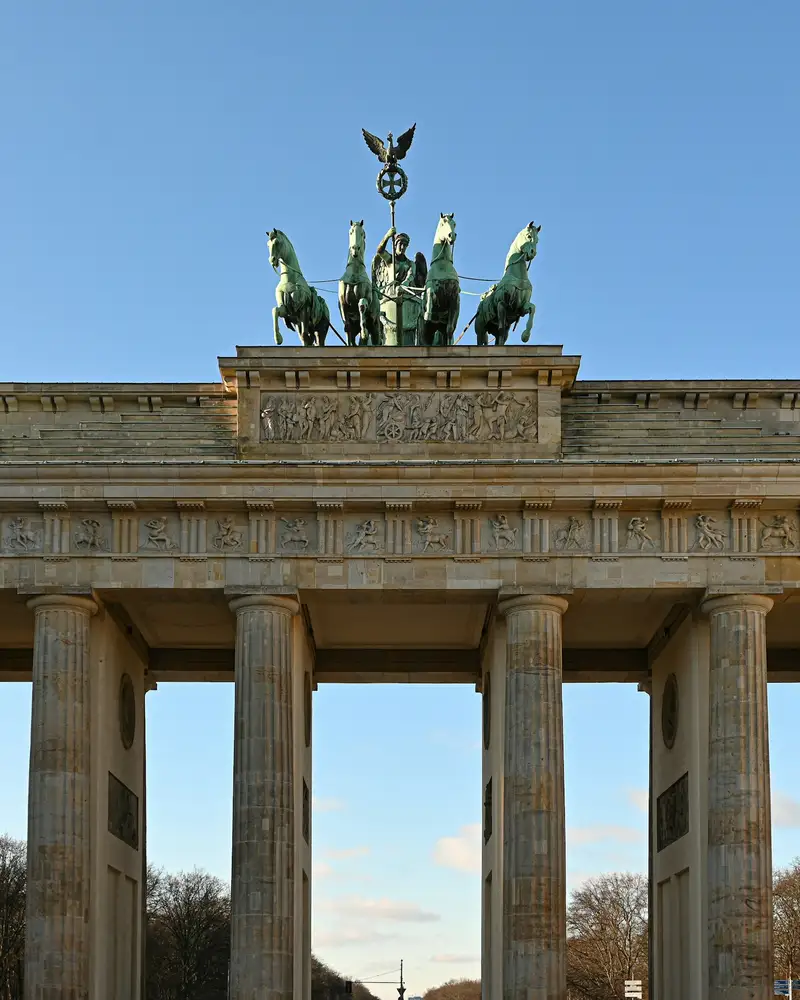
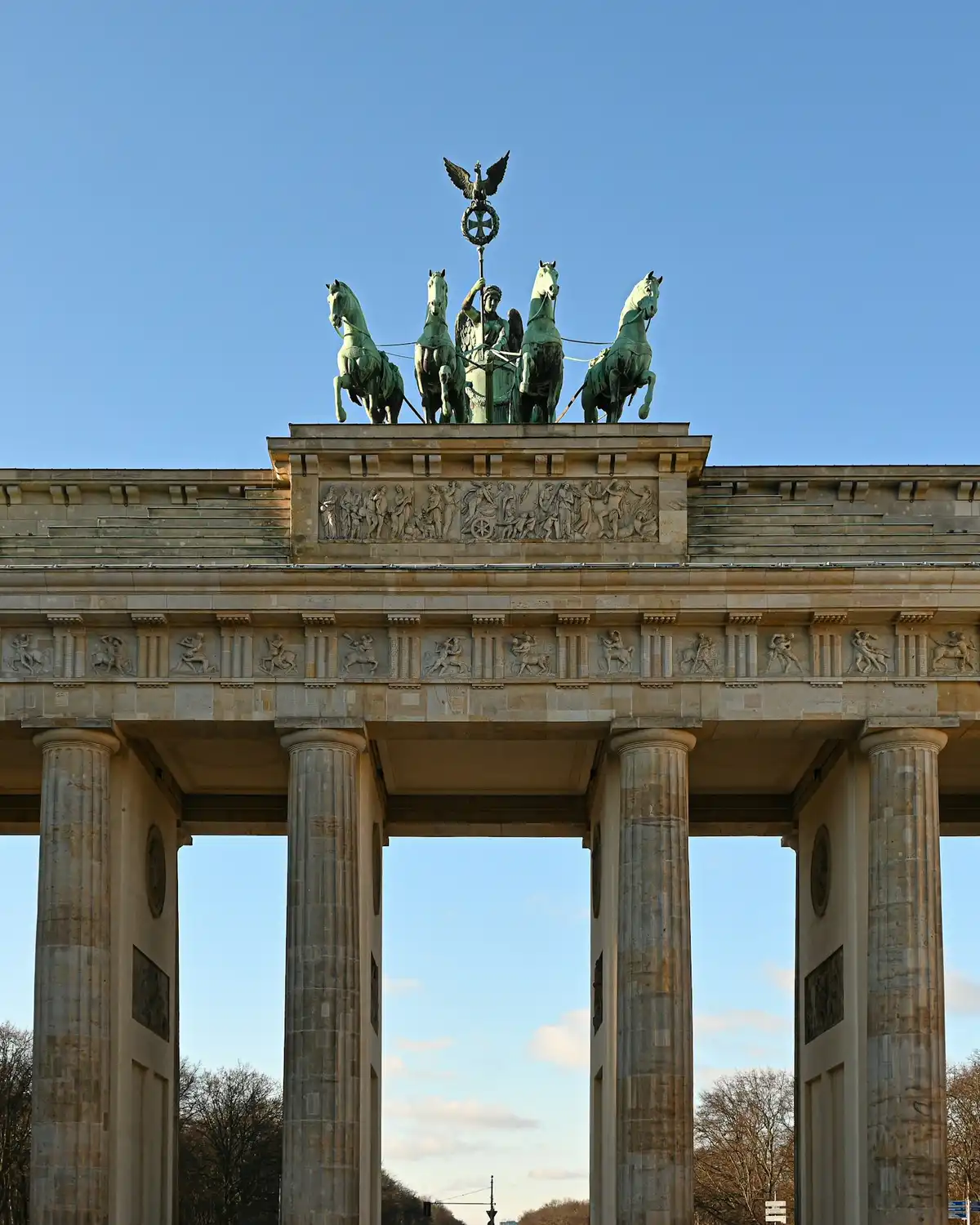
The Brandenburg Gate, Berlin Wall and a lively student scene.
Bavarian culture and the world-famous festival.
Forest trails, lakes and villages in the south-west.
Castles and vineyards along the river.
Lights, food and gifts in every city each December.
What universities and the visa office ask for. We check your documents against each one before you apply.
Visa conditions, work rights and the routes to stay longer. Rules change often; we confirm the current rules for your case.
Official source:DAAD – Entry and residenceLast checked 3 November 2026
The steps from India to Germany. We handle each one with you.
Germany
Every Indian student applying for a German student visa needs an APS certificate. Here's what it is, when to apply and how to avoid delays.
Most public universities charge no tuition, only a semester contribution. Private universities charge tuition.
Not for English-taught programmes, but basic German helps a lot with jobs and daily life.
A certificate that verifies your Indian academic documents. It's compulsory before the visa.
Some universities accept it. Others need 4 years. We'll check each course.
Usually yes, on a family reunion visa, with their own work rights.
A free first consultation: we review your profile, shortlist courses and universities, and estimate the costs in rupees.