
Cyprus
Study in Cyprus: why the Republic of Cyprus and North Cyprus are not the same
Many Indian students are offered 'Cyprus' admissions without being told which part. Here's the difference, the 2026 work rules and how to choose safely.
 Entry and residence permit for studies
English-taught EU degrees on a sunny Mediterranean island, with part-time work in approved sectors.
Cyprus is an island in the eastern Mediterranean and a member of the European Union. English is widely spoken, and most universities teach in English. Summers are long and hot, and winters are mild.
The main student cities are Nicosia, Limassol, Larnaca and Paphos. All are safe, walkable and close to the beach.
Important: we only work with universities in the Republic of Cyprus. Institutions in Northern Cyprus fall under a different authority and are not recognised by the EU.
EU degree in English. Recognised across Europe and in India.
Smaller classes. More personal attention from teaching staff.
Work while you study. Part-time jobs in approved sectors after your first semester.
Safe island life. A low crime rate and a relaxed pace of life.
Gateway to Europe. Easy flights to other EU countries.
Flexible entry. Courses for Class 12 students and graduates.
A starting list. In your consultation we shortlist the ones that fit your marks, course and budget.
| Institution | City | Known for |
|---|---|---|
| University of Cyprus | City: Nicosia | Known for: Sciences, engineering, economics |
| Cyprus University of Technology | City: Limassol | Known for: Engineering, health sciences |
| University of Nicosia | City: Nicosia | Known for: Business, medicine, blockchain |
| European University Cyprus | City: Nicosia | Known for: Medicine, business, IT |
| Frederick University | City: Nicosia and Limassol | Known for: Engineering, architecture |
| Neapolis University Pafos | City: Paphos | Known for: Business, psychology, law |
| UCLan Cyprus | City: Larnaca | Known for: UK-validated degrees, business, computing |
| CTL Eurocollege | City: Limassol | Known for: Hospitality, business |
UNESCO-listed Roman mosaics by the sea.
Famous beaches and clear blue water.
A long promenade, marina and cafés.
Pine forests, villages and winter snow.
Venetian walls and the old town.
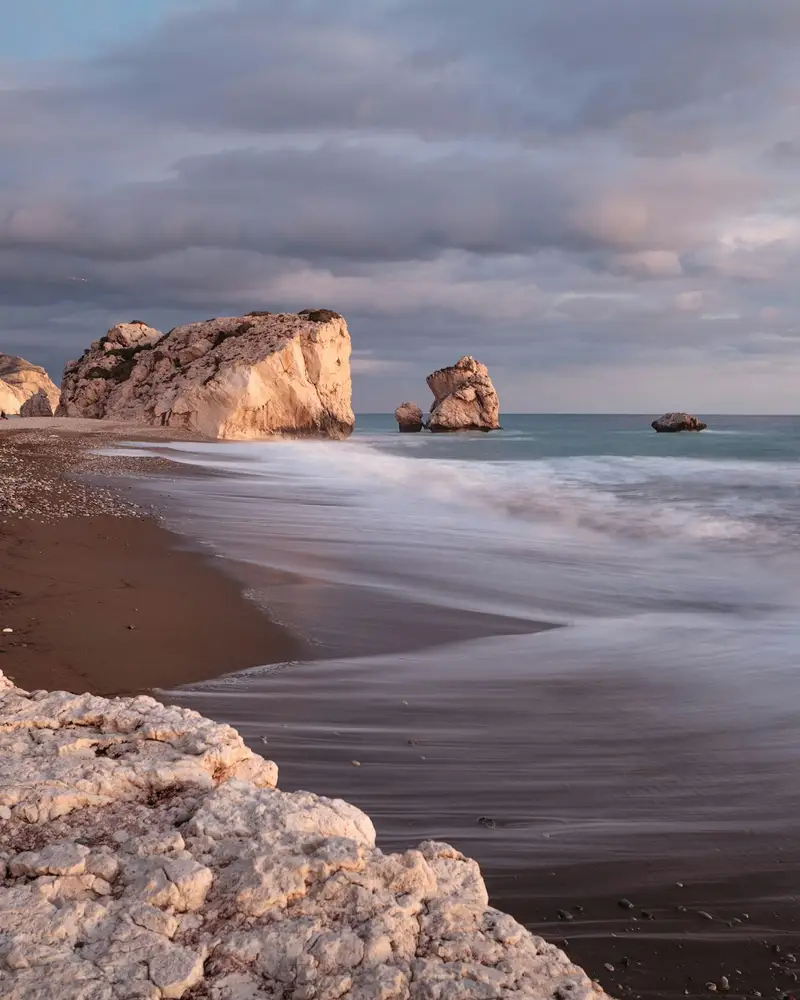
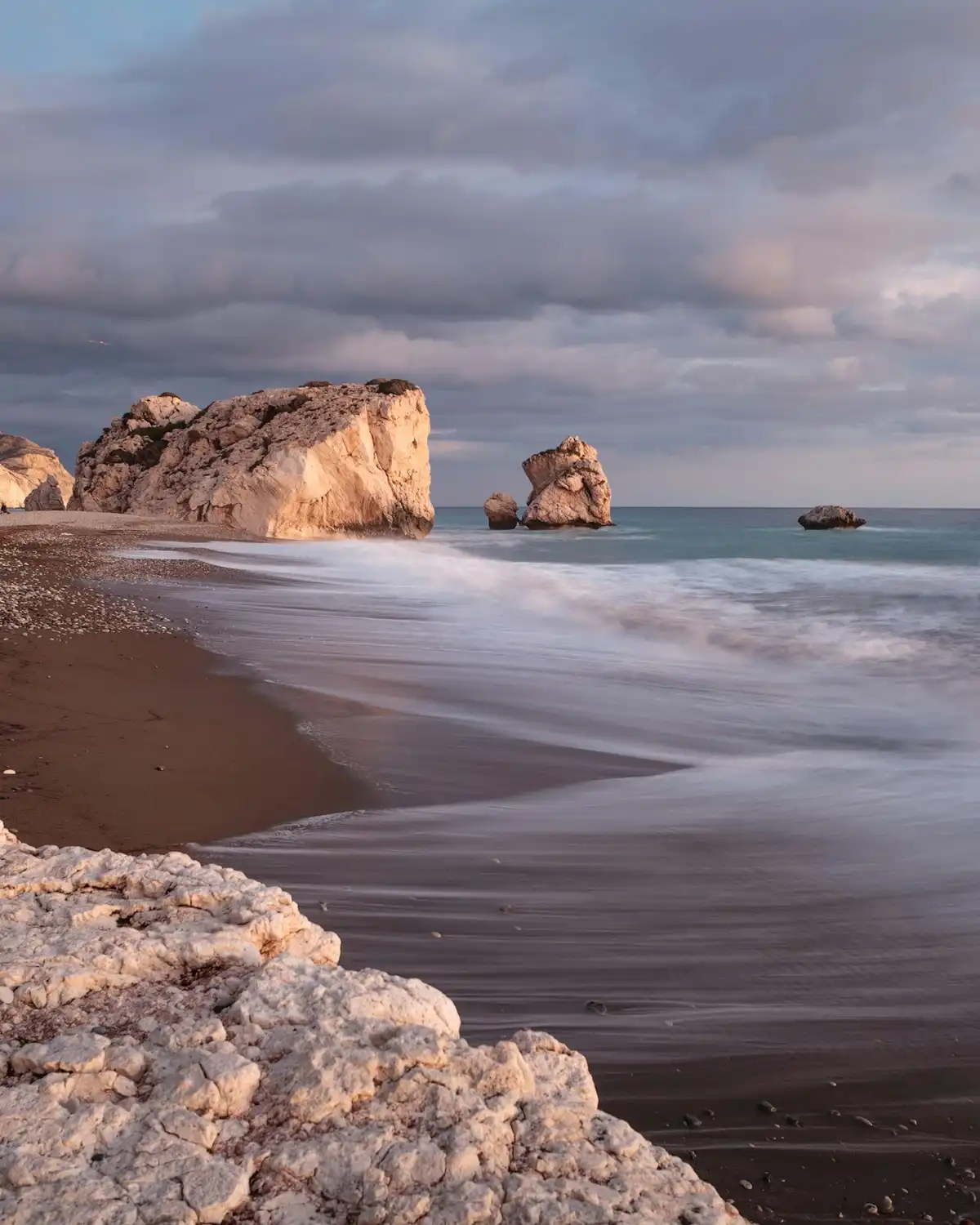
The legendary birthplace of the goddess.
What universities and the visa office ask for. We check your documents against each one before you apply.
Visa conditions, work rights and the routes to stay longer. Rules change often; we confirm the current rules for your case.
Official source:EU Immigration Portal – Students in CyprusLast checked 3 November 2026
The steps from India to Cyprus. We handle each one with you.
Cyprus
Many Indian students are offered 'Cyprus' admissions without being told which part. Here's the difference, the 2026 work rules and how to choose safely.
No. We only recommend universities in the Republic of Cyprus, which are recognised in the EU.
No. Work is allowed only after your first semester, in approved sectors.
Most universities ask for it or an equivalent, though some accept other proof of English.
Master's graduates can stay up to 12 months to look for work. Others need a job offer and a work permit.
Yes, from recognised universities in the Republic of Cyprus.
A free first consultation: we review your profile, shortlist courses and universities, and estimate the costs in rupees.